Ideal Waterproof Materials for Winter Season Camping
Wintertime camping rewards those that prepare well, however nothing damages a trip much faster than gear that allows wetness in. In between melting snow, condensation, and the periodic unexpected rainfall, staying completely dry is just as vital as staying cozy. The best waterproof products can mean the distinction between a relaxing night in the backcountry and an unpleasant, hypothermia-risking ordeal. Right here's a breakdown of the products that matter most when you're picking equipment for cold, damp problems.
Why Waterproofing Matters Extra in Winter season
Winter alters the risks. In summer, splashing is uncomfortable. In wintertime, it's dangerous. Wet insulation sheds much of its warming up power, and evaporative cooling from moist apparel can speed up warmth loss drastically. Snow additionally behaves in a different way than rain: it melts versus warm skin and gear, permeating in slowly instead of putting down all at once. This makes breathability just as vital as waterproofness, because caught sweat can be as destructive as outside wetness.
Gore-Tex and Various Other Laminated Membranes
Gore-Tex remains the criteria for waterproof-breathable modern technology. It works by using a slim membrane with pores small sufficient to obstruct liquid water however big sufficient to let water vapor getaway. This equilibrium is critical in winter season, when hefty physical effort (like breaking path with snow) creates sweat that needs somewhere to go. Newer variations, like Gore-Tex Pro, are constructed specifically for high-output activities in extreme problems, offering more toughness and breathability than typical versions. Contending membrane layers like occasion and Polartec NeoShell deal comparable performance with slightly different breathability profiles, so it deserves trying out coats from a few brands to see what suits your activity degree.
DWR (Long Lasting Water Repellent) Coatings
The majority of waterproof shells depend on a DWR finish related to the external textile. This coating causes water to bead up and roll off instead of saturating right into the product. Without it, also a practically water-proof coat can "damp out," meaning the outer fabric becomes saturated and breathability collapses. DWR wears down in time from abrasion, dirt, and washing, so reapplying it regularly with a spray-on or wash-in therapy keeps wintertime equipment doing as planned.
Polyurethane (PU) Coatings
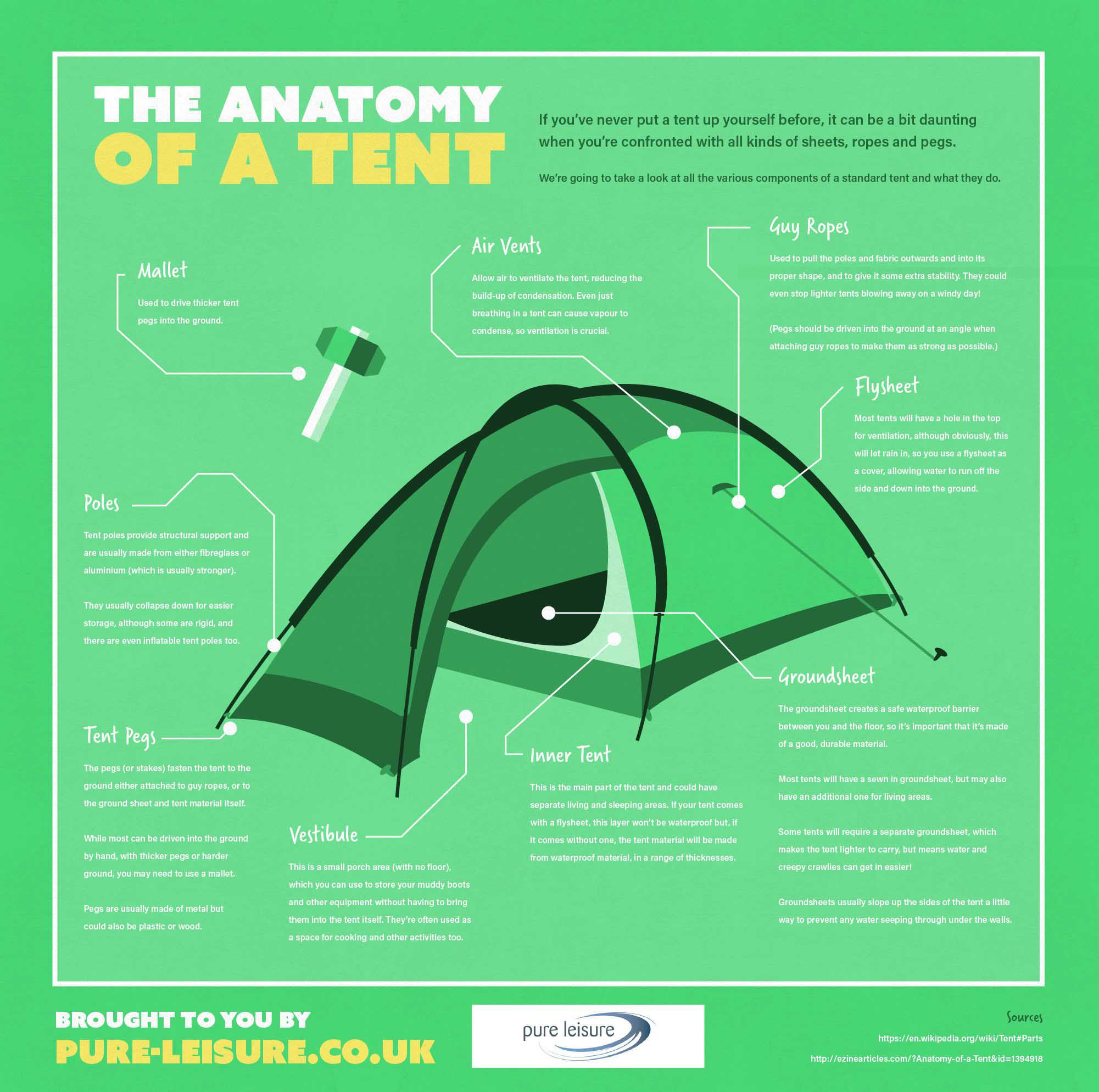
PU layers are an economical waterproofing alternative often found on tents, tarpaulins, and rainfall covers. A layer of polyurethane is adhered tents on sale to the textile to obstruct water infiltration. While PU-coated products aren't normally breathable, that's much less of a worry for camping tent flies or pack covers, where breathability matters less than raw water resistance. PU finishings are prone to degrading with UV direct exposure over years of use, so it's worth checking tent flies for peeling or flaking coatings before a large journey.
Products for Camping Tents and Sanctuaries
Silicone-Coated Nylon (Silnylon)
Silnylon is prominent among lightweight backpackers and winter campers that intend to cut ounces without compromising security. Silicone impregnates the nylon fibers rather than sitting on leading as a layer, that makes it extremely water-resistant and much more resistant to destruction than PU-coated textiles. It's likewise significantly strong for its weight, which matters when a tent requires to stand up to wind-driven snow.
Polyester with PU or Silicone Coatings
Polyester is a strong alternative to nylon for outdoor tents building and construction since it withstands UV damage and extends much less when wet. Combined with a PU or silicone layer, polyester outdoors tents hold their shape well even after duplicated snow packing and thawing cycles, which is a common stress and anxiety factor for winter season shelters.
Insulation and Boots: Where Waterproofing Fulfills Heat
Waterproof-Breathable Boot Membranes
Winter season boots often make use of the very same membrane modern technology as jackets, sandwiched between an outer natural leather or artificial shell and inner insulation. This keeps feet dry from outside snow and slush while still allowing some vapor to get away, minimizing the threat of clammy, cold feet from trapped sweat.
Synthetic Insulation Over Down
While not a "waterproof material" in the traditional sense, the option between down and synthetic insulation issues immensely for wet-weather efficiency. Down sheds nearly all of its loft space and heat when wet, while synthetic insulation maintains a meaningful section of its protecting power even when wet. For winter season problems where moisture exposure is most likely, artificial insulation or hydrophobic-treated down uses a safer margin of mistake.
Bringing Everything With each other
No single material fixes every winter outdoor camping challenge. The best setups layer waterproof-breathable coverings for the body, durable covered fabrics for shelters, and moisture-resistant insulation to defend against the cold. Recognizing just how each product does under snow, sweat, and sustained cold aids you construct a system that keeps you dry, cozy, and secure with even the toughest wintertime nights outdoors.